S.O.L.V.E. SUPPORTING OUR LOONGANA VALLEY ENVIRONMENT
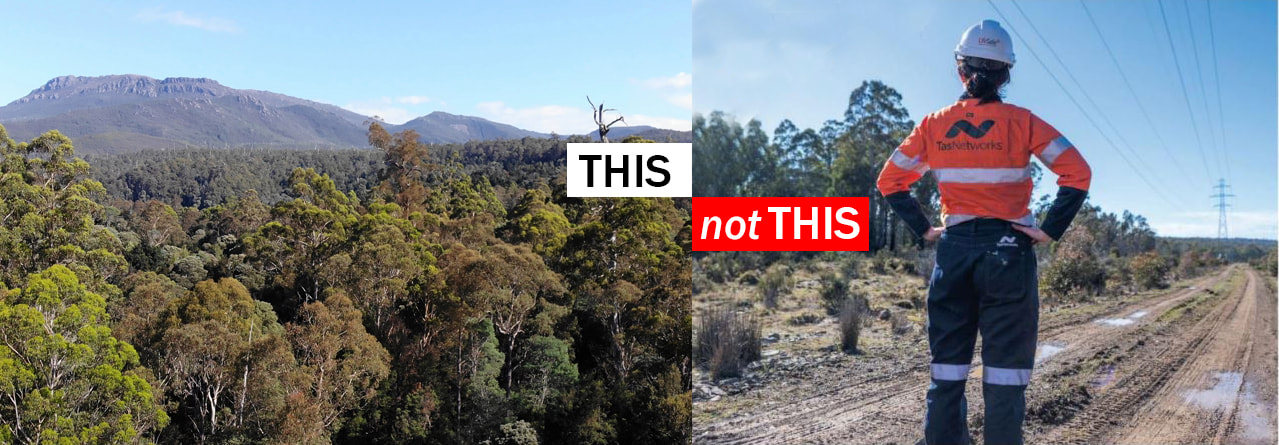
From the headwaters behind Black Bluff, the life-giving force of Kokonnenger/Leven River surges wild and free through the beautiful, forested valley of Loongana and continues to the coast at Ulverstone. Tucked in between two mountain ranges, Loongana's dense forests host clean water catchments, karst cave systems and habitats for Tasmania's most threatened species, wilderness tourism here attracts visitors from around the world.
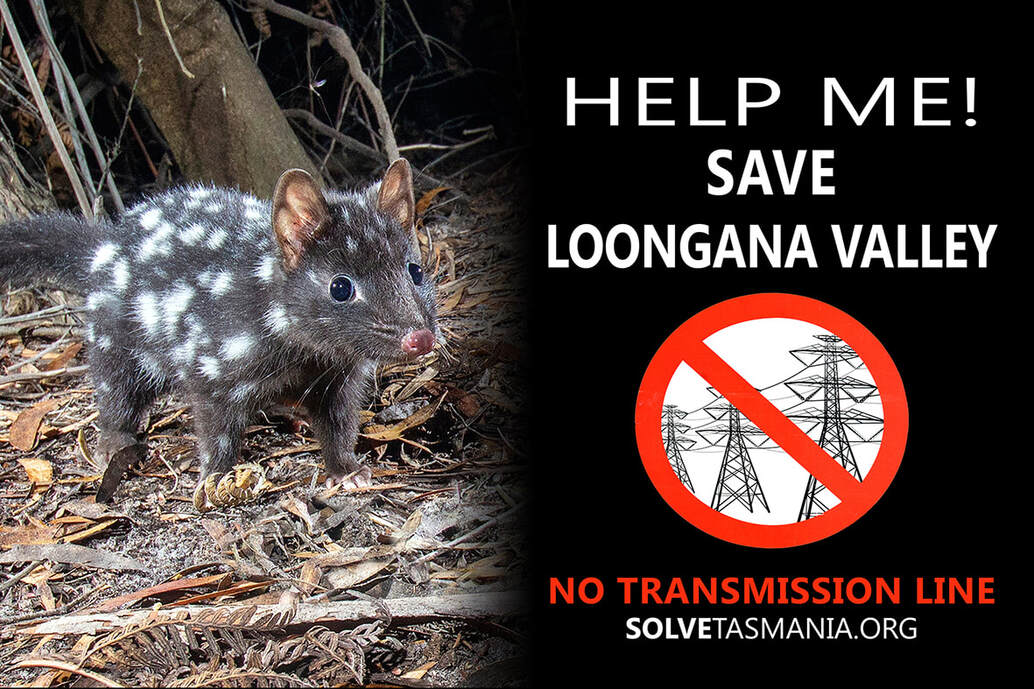
Loongana's diverse ecosystems start at the river valley floor and riparian edges and move through dense wet sclerophyll and myrtle rainforests, wetlands, grasslands and climb up to sub-alpine habitats, button grass, heathlands and pencil pines of the Black Bluff Range where the most northern king billy pines stand strong. These habitats support Tasmania's most threatened species, Wedge-tailed Eagles, Tasmanian Masked Owls, Giant Freshwater Crayfish, Tasmanian Devils, Spotted-tailed Quolls, Eastern Quolls....
Diverse ecosystems like Loongana's are becoming increasingly rare and important, collectively our forested properties provide critical wildlife refuge and wildlife corridors between three reserves, Black Bluff, Leven Canyon and Winterbrook. The Penguin Cradle Trail multi-day hike passes though Loongana and from here starts the most accessible and outstanding continuous nature link to Cradle Mountain National Park.
We love our Loongana environment! and this is reflected by dozens of private properties being protected by covenants, private reserves or are Land for Wildlife. People from near and far also have strong connections to this wild area and we are committed to supporting our valley environment for the benefit of everyone.
|
LOONGANA VALLEY AND TASNETWORKS
Stage two of Tasnetworks North West Transmission Development (NWTD) is a proposed new transmission line from Hampshire to Staverton via Loongana and is currently in limbo. The NWTD stage one and two are components of Project Marinus that support the Marinus Link undersea cable to Victoria. Cost benefit analysis on Project Marinus is showing a poor return for the state. S.O.L.V.E supports global scientific evidence that new infrastructure to support renewables must not come at the price of the environment, threatened species and biodiversity. |